 24 Jan, 2026
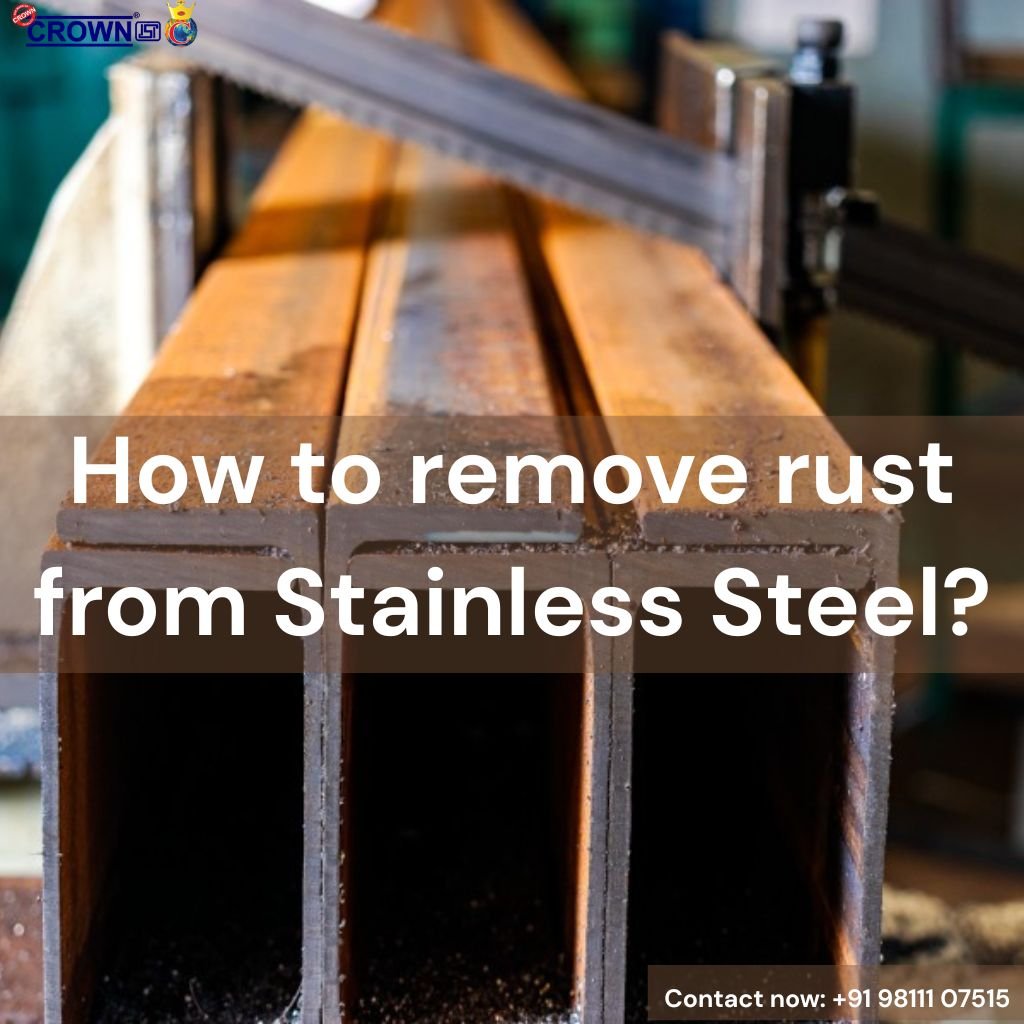
 Stainless steel surfaces developing rust spots can be frustrating, especially when you expect them to stay pristine. If you're wondering how to remove rust from stainless steel effectively, you're in the right place. Rust on stainless steel typically appears as surface-level discoloration or brown spots caused by exposure to moisture, harsh chemicals, or contact with other metals. The good news is that most rust on stainless steel isn't deep corrosion but rather surface contamination that can be removed using simple household items or specialized cleaners. This comprehensive guide covers seven scientifically proven methods to eliminate rust, restore shine, and protect your stainless steel surfaces from future damage, whether you're dealing with kitchen sinks, appliances, cookware, or outdoor fixtures.
Understanding Why Stainless Steel Rusts
Despite its name, stainless steel isn't completely rustproof. The material contains chromium, which forms a protective chromium oxide layer on the surface that resists corrosion. However, this protective barrier can be compromised through exposure to chlorides found in saltwater, bleach-based cleaners, or prolonged contact with moisture. When the chromium oxide layer gets damaged, iron from the steel underneath oxidizes and creates those unwelcome rust spots. Common causes include leaving wet cast iron pans in stainless steel sinks, exposure to coastal environments, using abrasive cleaning tools, or contact with contaminated water containing high iron content.
Method 1: Baking Soda Paste – The Gentle Giant
Baking soda serves as an excellent stainless steel rust remover because it's mildly abrasive yet gentle enough not to scratch surfaces.
How to use it:
Create a thick paste by mixing three parts baking soda with one part water. Apply this paste generously to the rusted area and let it sit for 30 minutes to an hour. Using a soft cloth or non-abrasive sponge, scrub the paste in the direction of the steel's grain pattern. This is crucial because scrubbing against the grain can create visible scratches. For stubborn spots, you can use an old toothbrush to work the paste into crevices. Rinse thoroughly with clean water and dry completely with a microfiber cloth. This method works particularly well for light to moderate rust on kitchen appliances, sinks, and cookware. The beauty of this approach lies in its safety and accessibility. You likely already have baking soda in your kitchen, making it a cost-effective first-line defense against rust.
Method 2: White Vinegar Soak – Powerful Acid Treatment
White vinegar contains acetic acid that effectively dissolves rust through chemical reaction. This method excels at how to remove rust from steel items that can be fully submerged.
Step-by-step process:
For small items like utensils or hardware, submerge them completely in white vinegar overnight. The acetic acid works continuously to break down rust particles. In the morning, remove the items and scrub away loosened rust using a soft brush or cloth. For larger surfaces that cannot be submerged, soak clean rags in white vinegar and wrap them around the rusted areas. Keep the rags damp by adding more vinegar every few hours. After 8-12 hours of treatment, remove the rags and scrub the surface. Always rinse vinegar-treated items thoroughly with water and dry them immediately to prevent new rust formation. Avoid this method on items with painted finishes, as vinegar can damage coatings.
Method 3: Lemon Juice and Salt – Natural Citric Power
This combination harnesses citric acid from lemon juice alongside salt's abrasive properties for effective rust removal.
Application technique:
Sprinkle coarse salt liberally over the rusted area. Squeeze fresh lemon juice over the salt until it's saturated. The citric acid in lemon juice reacts with rust while salt provides gentle scrubbing action. Allow this mixture to sit for two to three hours, giving the acid time to penetrate and break down rust. Use a soft sponge or cloth to scrub away the rust, following the grain direction. For vertical surfaces, make a paste-like consistency by using less lemon juice. This eco-friendly method works wonderfully for light rust and is safe for food-contact surfaces. However, lemon juice is acidic, so don't leave it on surfaces for extended periods as it may damage finishes.
Method 4: Commercial Oxalic Acid Cleaners – Professional Strength
Products like Bar Keepers Friend contain oxalic acid, which is specifically formulated to remove rust without damaging stainless steel. When gentler methods fall short, these steel rust remover products deliver professional results.
Proper usage:
Wet the rusted surface with water. Sprinkle Bar Keepers Friend powder directly onto the rust or onto a damp sponge. Using gentle pressure, rub the cleaner in the direction of the grain. The oxalic acid works quickly, often removing rust within minutes. Let the cleaner sit for one to two minutes for tougher stains, but never exceed the manufacturer's recommended time. Rinse thoroughly with clean water and dry immediately with a soft cloth. Crownisi offers premium stainless steel products designed with enhanced rust resistance, but even the highest quality stainless steel benefits from proper maintenance using appropriate cleaners. Oxalic acid cleaners are particularly effective for rust caused by wet cast iron sitting in sinks or rust rings from metal cans. Always wear gloves when using these products and ensure adequate ventilation.
Method 5: Citric Acid Solution – Food-Safe Alternative
Citric acid provides a non-toxic, food-safe option for removing rust from cookware and food preparation surfaces. It's gentler than oxalic acid but still highly effective.
Preparation and use:
Mix two tablespoons of citric acid powder with one cup of hot water in a non-reactive container. For items that can be submerged, place them in the solution and let soak for several hours or overnight for severe rust. For surfaces that cannot be submerged, apply the solution using a spray bottle or sponge. Keep the surface wet with the solution for 2-4 hours, reapplying as needed. After treatment, scrub gently with a soft brush to remove loosened rust. Rinse thoroughly and dry completely. Citric acid is available at most grocery stores in the canning section or from chemical suppliers.
Method 6: Commercial Rust Removers – Heavy Duty Solutions
When dealing with extensive rust or when time is limited, commercial rust removers formulated specifically for stainless steel provide powerful results.
Selection and application:
Choose products specifically labeled safe for stainless steel. Read and follow manufacturer instructions carefully, as formulations vary. Most require application to the rusted area, a waiting period of 5-15 minutes, then scrubbing and rinsing. Always wear protective gloves and eyewear when using commercial products. Work in well-ventilated areas and never mix different chemical cleaners. These products often contain phosphoric acid or other strong rust-dissolving agents. After rust removal, apply a stainless steel polish to restore shine and add a protective layer.
Method 7: Prevention Through Passivation
Preventing rust is easier than removing it. Passivation involves treating stainless steel to restore and strengthen the protective chromium oxide layer.
Preventive measures:
Wash stainless steel items promptly after use, especially after contact with acidic foods or saltwater. Dry thoroughly with a clean towel rather than air drying, as standing water is a primary rust catalyst. Apply food-grade mineral oil or specialized stainless steel protectants to create an additional moisture barrier. This is particularly important for items stored in humid environments. Avoid chloride-containing cleaners like bleach, which attack the protective layer. Use pH-neutral dish soap and warm water for routine cleaning. Crownisi stainless steel products undergo professional passivation treatments during manufacturing, enhancing their natural rust resistance and longevity.
Best Practices for Different Stainless Steel Items
- Kitchen Sinks: Use baking soda paste weekly to prevent build-up. Address rust spots immediately when they appear.
- Cookware: Hand wash promptly and dry thoroughly. Avoid leaving wet pots in sinks overnight.
- Appliances: Clean with gentle solutions and always scrub with the grain. Apply stainless steel polish monthly.
- Outdoor Fixtures: Rinse regularly with fresh water, especially in coastal areas. Apply protective coatings designed for marine environments.
Common Mistakes to Avoid
Never use steel wool or wire brushes on stainless steel, as they can scratch surfaces and leave carbon steel particles that cause new rust. Avoid abrasive scouring pads that damage the protective chromium layer. Don't use cleaners containing chlorine, fluorine, or other halides, as these chemicals attack stainless steel's protective barrier. Skip ammonia-based products for the same reason. Never leave acidic cleaners on surfaces longer than recommended, as extended exposure can etch or discolour stainless steel.
When to Seek Professional Help
If rust has penetrated deeply into the metal, creating pits or structural damage, professional restoration may be necessary. Surface rust responds well to the methods described above, but pitting corrosion requires specialized treatment. For valuable items, antiques, or large installations like commercial kitchen equipment, consider consulting stainless steel restoration specialists who can perform professional passivation treatments.
Maintaining Rust-Free Stainless Steel Long-Term
Establish a regular cleaning routine using mild dish soap and water. Immediately address any rust spots before they spread. Keep stainless steel dry, especially in areas prone to moisture accumulation. Store stainless steel items in dry environments with good air circulation. For outdoor items, consider protective covers during harsh weather. Periodically apply stainless steel polish to maintain the protective layer and enhance appearance. This creates a barrier against moisture and contaminants while restoring shine.
Understanding how to remove rust from stainless steel empowers you to maintain your investments properly. Whether you choose gentle household remedies like baking soda and vinegar or stronger commercial cleaners, the key lies in acting quickly, using proper techniques, and implementing preventive measures. With these seven proven methods, you can confidently tackle rust and keep your stainless steel surfaces looking pristine for years to come.
Frequently Asked Questions FAQs
1. Can stainless steel really rust, or is it just surface staining?
Yes, stainless steel can genuinely rust, though what you're seeing is often surface contamination rather than deep corrosion. Stainless steel contains chromium that forms a protective oxide layer, but this barrier can break down when exposed to chlorides, prolonged moisture, or contact with other rusting metals. Surface rust appears as brown or orange spots and is relatively easy to remove using the methods described above. True deep rust or pitting corrosion is less common and indicates the protective chromium layer has been severely compromised. The good news is that approximately 90% of rust issues on stainless steel are surface-level and completely reversible with proper cleaning techniques.
2. What's the fastest way to remove rust from stainless steel kitchen sinks?
For quick rust removal from kitchen sinks, the baking soda paste method combined with Bar Keepers Friend offers the fastest results. Start by making a thick paste with baking soda and water, apply it to rust spots, and let it sit for 15-20 minutes. Scrub gently with a soft sponge following the grain direction. For stubborn spots that remain, apply Bar Keepers Friend directly to a damp surface, scrub for 1-2 minutes, then rinse thoroughly. This combination typically removes most rust in under 30 minutes. Always dry the sink completely after cleaning to prevent new rust formation. For best results, address rust spots as soon as you notice them rather than letting them spread.
3. Is it safe to use vinegar on all types of stainless steel?
While white vinegar is generally safe for most stainless steel, you should use caution with certain finishes and applications. Avoid prolonged vinegar exposure on brushed or decorative finishes, as extended contact can dull the surface. Never leave vinegar on stainless steel for more than 12 hours, and always rinse thoroughly with clean water afterward. Vinegar is safe for food-grade stainless steel cookware, sinks, and utensils when used correctly. However, if your stainless steel has any protective coatings, painted finishes, or is combined with other materials like wood handles or plastic components, test vinegar on a small hidden area first. The acetic acid in vinegar is mild compared to commercial cleaners, making it one of the safer rust removal options for home use.
4. What is the best home remedy for rust removal?
Lemon and salt mixture or baking soda paste are the most effective home remedies for rust removal. For light to moderate rust, mix baking soda with water to create a thick paste, apply it to rusted areas, wait 30 minutes, then scrub gently. Alternatively, sprinkle salt on rust spots, squeeze lemon juice over it, let sit for 2-3 hours, then scrub. White vinegar soaking overnight also works excellently for smaller items. These natural methods are safe, inexpensive, and readily available in most kitchens. They work by using mild acids to dissolve rust and gentle abrasives to scrub it away without damaging the stainless steel surface underneath.
5. How do I prevent rust from coming back after cleaning?
Prevention requires consistent care and protection of the chromium oxide layer. After removing rust, dry stainless steel surfaces thoroughly every time they get wet, as standing water is the primary catalyst for rust formation. Apply a thin layer of food-grade mineral oil or stainless steel polish monthly to create a moisture barrier. Avoid using chlorine-based cleaners, steel wool, or abrasive pads that damage the protective layer. Don't leave cast iron cookware sitting in stainless steel sinks, as iron particles transfer and cause rust. In coastal or humid environments, rinse outdoor stainless steel fixtures regularly with fresh water and consider applying marine-grade protective coatings. Regular cleaning with mild dish soap prevents buildup that can trap moisture against the surface.
6. Will removing rust damage my stainless steel or void warranties?
When done correctly using appropriate methods, rust removal will not damage stainless steel and typically doesn't void manufacturer warranties. The key is using non-abrasive materials and following the grain direction when scrubbing. Methods like baking soda, vinegar, lemon juice, and commercial cleaners specifically formulated for stainless steel are safe when used as directed. However, using steel wool, harsh wire brushes, or highly acidic cleaners left on too long can scratch surfaces or damage the protective chromium layer, which might void some warranties. Always check your product's warranty documentation before attempting rust removal. For high-value items or commercial equipment, document the rust issue with photos and consider contacting the manufacturer first, as they may cover rust removal under warranty or provide specific cleaning recommendations.