 16 Dec, 2025
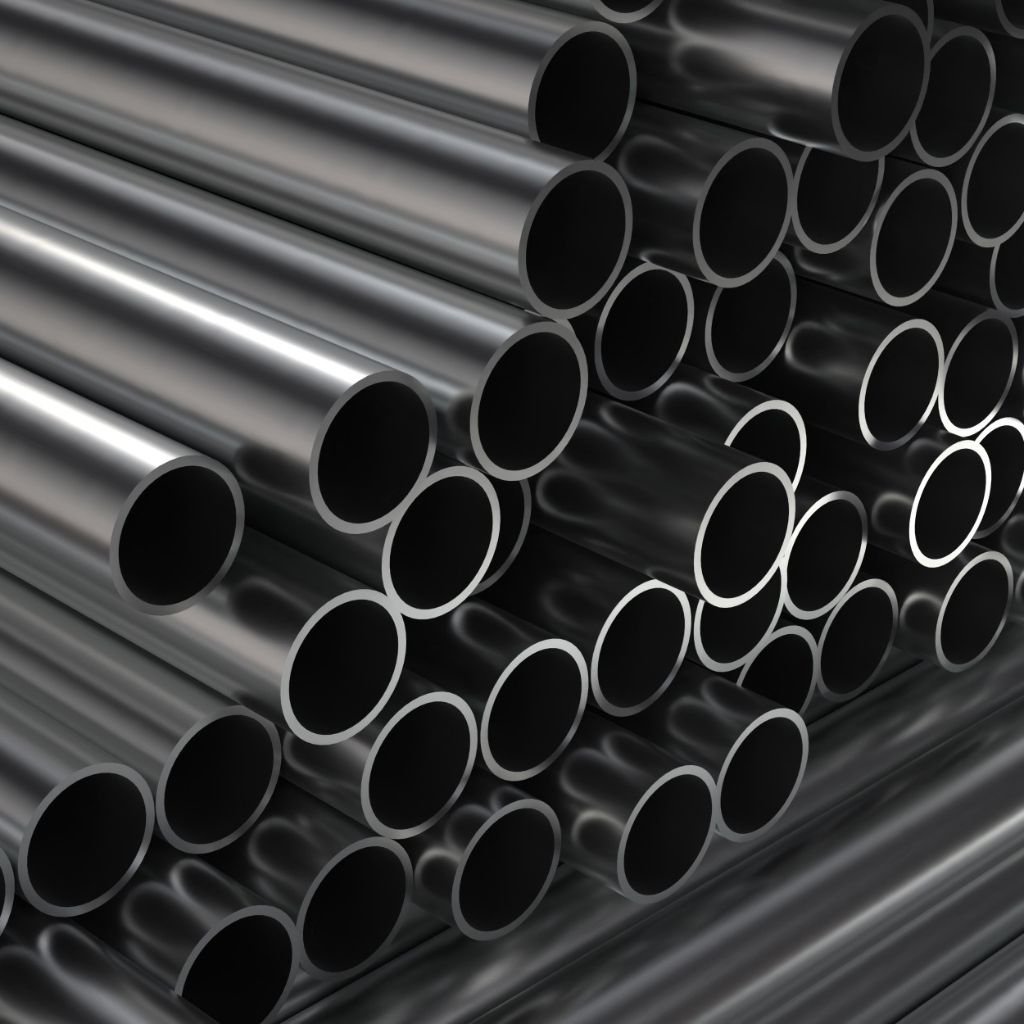
 Mild steel remains one of the most versatile and economical materials in industrial applications today. Whether you're working on a construction project, manufacturing automotive components, or developing fabrication solutions, understanding mild steel—its composition, characteristics, and appropriate applications—is essential for making informed material choices.
This comprehensive guide explores everything you need to know about mild steel, from its fundamental properties to practical applications across various industries.
Understanding Mild Steel: The Basics
Mild steel is a low-carbon steel alloy composed primarily of iron with a carbon content typically ranging from 0.05% to 0.25%. This relatively low carbon percentage is what gives mild steel its distinctive characteristics compared to higher carbon steel variants.
The name mild refers specifically to the steel's low hardness and brittleness. This makes mild steel significantly more workable, flexible, and forgiving during fabrication and manufacturing processes. The material's accessibility and ease of handling have contributed to its widespread adoption across virtually every industrial sector.
Why Low Carbon Content Matters
The carbon content in mild steel acts as a hardening agent. With carbon levels remaining below 0.25%, mild steel maintains excellent ductility—the ability to deform without breaking. This property makes it ideal for applications requiring bending, rolling, and shaping without compromising structural integrity.
The remaining composition consists primarily of iron, with trace elements including manganese, silicon, and phosphorus that enhance specific properties like toughness and weldability.
Mild Steel Properties: A Detailed Guide
Understanding the properties of mild steel is crucial for determining its suitability for your specific application. Let's examine the key characteristics:
1. Mechanical Properties
Mild steel exhibits moderate tensile strength, typically ranging from 400 to 550 megapascals (MPa). This strength level makes it suitable for many structural applications, though it's not as strong as high-carbon or alloy steels.
What truly distinguishes mild steel is its exceptional ductility and malleability. The material can be:
- Stretched and rolled into thin sheets
- Bent through various angles without cracking
- Formed into complex shapes through stamping and pressing
- Subjected to repeated stress cycles with good impact absorption
This combination of moderate strength with high flexibility makes mild steel the material of choice when application requires both structural support and the ability to shape components precisely.
2. Weldability
One of mild steel's most valuable properties is its outstanding weldability. The material responds excellently to various welding techniques without requiring specialized processes or expensive equipment:
- MIG welding: Produces strong, clean welds with minimal spatter
- TIG welding: Allows precise control for detailed work
- Spot welding: Ideal for joining thin sheets quickly
- Arc welding: Traditional yet reliable method with consistent results
- Flux-core and submerged arc: Suitable for heavy fabrication
This versatility in welding makes mild steel particularly valuable for custom fabrication work and large-scale manufacturing where multiple joining techniques might be employed.
3. Thermal Properties
Mild steel has a melting point between 1,425°C and 1,505°C (approximately 2,600-2,740°F). The material demonstrates good thermal conductivity, making it suitable for applications involving heat transfer or requiring temperature stability. This property is why mild steel is preferred in heat exchanger construction and applications where controlled thermal behavior is essential.
4. Magnetic Properties
Due to its high iron content (typically 98% or more), mild steel exhibits strong magnetic properties. This characteristic makes it particularly valuable in electrical equipment manufacturing, motor production, and applications requiring electromagnetic properties.
5. Corrosion Resistance: A Limitation
Perhaps mild steel's most notable weakness is its susceptibility to corrosion. When exposed to moisture and atmospheric oxygen, unprotected mild steel oxidizes readily, forming rust. This limitation is not insurmountable, however. Common protective measures include:
- Painting and coating: Provides a barrier against moisture
- Powder coating: Offers superior durability and aesthetic appeal
- Hot-dip galvanizing: Creates a zinc protective layer
- Oil or wax application: Suitable for lighter protection needs
- Stainless steel cladding: For applications requiring maximum corrosion resistance
For long-term outdoor applications, properly specified protective coatings are essential to maintain structural integrity and appearance.
6. Machinability
Mild steel machines easily compared to harder steels. Standard machining operations including drilling, turning, milling, and grinding proceed efficiently with standard equipment. This easy machinability reduces processing time and tool wear, contributing to lower manufacturing costs.
Mild Steel Grades: Specifications and Applications
Different mild steel grades are classified under European and British standards (Eurocodes), each with specific mechanical properties suited to particular applications. Understanding these grades ensures you select the appropriate material for your project requirements.
1. EN 1.0038 / S235JR
Carbon Content: 0.12% to 0.20%
Key Properties: This grade offers good machinability combined with moderate strength, making it versatile for general-purpose applications.
Typical Applications:
- Structural components in buildings and bridges
- General construction frameworks
- Architectural metalwork
- Non-critical engineering components
This is often considered the entry-level mild steel grade and remains widely available and economical.
2. EN 1.0044 / S355JR
Carbon Content: Approximately 0.23%
Key Properties: Provides notably higher tensile strength than S235JR while maintaining good ductility and toughness. Better wear resistance becomes apparent in this grade.
Typical Applications:
- Heavy-duty structural projects
- Crane booms and lifting equipment
- Offshore platform components
- Large-span bridge construction
- Industrial machinery components
When projects demand greater load-bearing capacity without compromising ductility, S355JR becomes the preferred choice.
3. EN 1.0301 / DC01
Carbon Content: Approximately 0.12%
Key Properties: Exceptional surface quality distinguishes this grade, with excellent weldability and ductility. Surface finish makes it ideal for automotive applications.
Typical Applications:
- Automotive body panels
- Household appliance components
- Sheet metal manufacturing
- Products requiring excellent surface finish
- Deep-drawn components
DC01 has become the standard in automotive manufacturing due to its combination of drawability and surface quality.
4. EN 1.0402 / C22
Carbon Content: 0.18% to 0.23%
Key Properties: Moderate strength with good machinability and weldability make this a practical choice for many mechanical components.
Typical Applications:
- Automotive shafts and brackets
- Gear components
- General engineering parts
- Components where moderate strength suffices
- Fasteners and bolts
5. EN 1.0503 / C45
Carbon Content: 0.42% to 0.50%
Key Properties: Higher carbon content increases hardness and strength, though weldability and machinability are somewhat reduced.
Typical Applications:
- Heavily loaded shafts and axles
- Gears requiring high wear resistance
- Crankshafts and connecting rods
- Springs and high-strength fasteners
6. EN 1.1121 / 080A15
Carbon Content: 0.13% to 0.18%
Key Properties: Excellent weldability, machinability, and toughness make this grade suitable for diverse applications.
Typical Applications:
- General engineering components
- Light fabrication work
- Construction brackets and supports
- Agricultural equipment components
- Universal application where specific properties aren't critical
Choosing the Right Mild Steel Grade
The selection between mild steel grades depends on several factors:
- Strength Requirements: Higher carbon content increases tensile strength but may reduce weldability.
- Fabrication Method: Some grades perform better with specific machining or forming techniques.
- Corrosion Environment: Consider the exposure conditions and whether protective coatings will be applied.
- Cost Considerations: Lower-grade materials cost less but must still meet performance requirements.
- Availability: Some grades may be more readily available in your region than others.
Applications of Mild Steel: Where You'll Find It
The versatility of mild steel grades means the material appears in virtually every industry. Understanding these applications helps appreciate why mild steel remains so widely used.
1. Construction and Infrastructure
Mild steel forms the backbone of modern construction. Structural beams, columns, and frames constructed from mild steel bear the loads of buildings, bridges, and other infrastructure. The material's combination of strength and workability makes it the go-to choice for architects and structural engineers.
Reinforcement bars (rebar) made from mild steel strengthen concrete structures, preventing cracking and improving load distribution. Temporary construction scaffolding and support systems rely heavily on mild steel due to its reliability and cost-effectiveness.
2. Automotive and Transportation
The automotive industry consumes vast quantities of mild steel in various forms:
- Body Components: Chassis, frames, and body panels utilize mild steel's formability and strength. The material can be stamped and shaped into complex designs while maintaining structural integrity.
- Engine and Mechanical Parts: Brackets, supports, motor mounts, and fasteners throughout vehicles use mild steel.
- Transmission Components: Gears, shafts, and housings frequently employ mild steel in various grades.
- Rail and Transportation: Railroad tracks, train car construction, and support structures rely on mild steel's strength and durability.
3. Manufacturing and Fabrication
Custom fabrication shops and manufacturing facilities depend on mild steel's workability. The material accommodates:
- Precision laser cutting for detailed patterns
- Sheet metal folding and bending into complex profiles
- Welding for custom assemblies
- Fastener production (bolts, nuts, screws)
- Plate cutting for structural components
4. Machinery and Equipment
Agricultural equipment, industrial machinery, and specialized equipment commonly employ mild steel:
- Agricultural Sector: Tractor frames, plough blades, harvesting equipment, and various implements use mild steel for durability and cost-effectiveness.
- Industrial Machinery: Conveyor systems, gears, shafts, and machinery frames rely on mild steel grades selected for their specific load-bearing requirements.
- Heavy Equipment: Bulldozers, excavators, and other construction equipment utilize mild steel in structural components.
5. Household and Consumer Products
Mild steel appears in numerous everyday items:
- Appliances: Refrigerators, washing machines, ovens, and dishwashers contain mild steel components
- Furniture: Shelving units, bed frames, office desks, and storage solutions employ mild steel for strength and affordability
- Tools: Hand tools and tool storage systems use mild steel for durability
- Kitchen Equipment: Cookware supports, rack systems, and commercial kitchen equipment
The material's cost-effectiveness makes it ideal for consumer products where strength, durability, and affordability matter.
Mild Steel vs. Other Materials
Understanding how mild steel compares to alternatives helps justify material selection:
1. Mild Steel vs. Stainless Steel: While stainless steel offers superior corrosion resistance, it comes at significantly higher cost. Mild steel with appropriate protective coatings often provides comparable service life at fraction of the cost for indoor or protected applications. Stainless steel's higher hardness makes it more difficult and expensive to fabricate. Mild steel's superior workability often means lower fabrication costs despite material savings with stainless.
2. Mild Steel vs. Aluminium:Aluminium is lighter, never rusts, and machines easily. However, aluminium costs more, provides less strength per unit weight in some applications, and requires different fabrication techniques. Mild steel provides better strength-to-cost ratio for structural applications. The choice depends on whether weight reduction justifies the additional expense.
3. Mild Steel vs. High-Carbon Steel: High-carbon steels offer greater hardness and strength but sacrifice ductility and weldability. They're more difficult and expensive to machine. High-carbon steel suits applications demanding extreme hardness; mild steel works better where flexibility matters.
Why Crownisi Recommends Mild Steel
At Crownisi, we've worked with mild steel grades across diverse projects. Our experience demonstrates that when correctly specified and properly protected, mild steel delivers exceptional value. The material's combination of affordability, workability, strength, and availability makes it the logical choice for most fabrication and construction applications.
Understanding your specific requirements—load conditions, environment, fabrication methods, and timeline—enables selecting the precise mild steel grade that optimizes performance while controlling costs.
Frequently Asked Questions About Mild Steel
Q1: What makes mild steel "mild"?
The low carbon content (0.05-0.25%) makes mild steel less hard and brittle compared to higher-carbon steels. This "mild" nature means the material is flexible, ductile, and easier to work with during fabrication and manufacturing.
Q2: Can mild steel be welded easily?
Yes, absolutely. Mild steel's low carbon content makes it one of the most weldable steel types. Standard welding equipment and techniques (MIG, TIG, arc welding) work without requiring special procedures. No preheating or stress-relief heat treatment is typically necessary.
Q3: Why does mild steel rust so easily?
Mild steel is primarily iron (98%+), and iron oxidizes readily when exposed to moisture and oxygen. Protective coatings—paint, powder coating, galvanizing, or oil—prevent direct contact with the environment, eliminating rust formation.
Q4: What's the difference between mild steel grades?
Different grades contain slightly varying carbon percentages and alloying elements, producing different mechanical properties. S235JR offers basic properties for general use; S355JR provides higher strength for demanding applications. Grades like DC01 focus on specific properties like surface quality.
Q5: Is mild steel suitable for outdoor applications?
Mild steel works outdoors when properly protected with appropriate coatings. Unprotected mild steel will rust within weeks of outdoor exposure. Hot-dip galvanizing provides long-term protection for outdoor structural applications.
Q6: How do I choose between mild steel and stainless steel?
Consider three factors: budget, corrosion environment, and fabrication requirements. For budget-conscious projects with adequate protection measures, mild steel delivers superior value. Stainless steel justifies its cost in corrosive environments (saltwater, chemicals) where coatings would fail.
Q7: What thickness does mild steel come in?
Mild steel is available in virtually any thickness from thin sheet (under 1mm) to heavy plate (100mm+). Your application requirements determine appropriate thickness.
Q8: Can mild steel handle extreme temperatures?
Mild steel maintains reasonable properties up to about 250°C. Beyond this temperature, special heat-resistant grades become necessary. Crownisi can advise on appropriate materials
Conclusion
Mild steel remains fundamental to modern manufacturing and construction because it delivers reliability, workability, and exceptional value. From towering buildings to household appliances, mild steel properties and diverse grades make it the material of choice for countless applications.