 25 Oct, 2025
 When it comes to home design, even the smallest hardware details can make a big difference—and door hinges are a perfect example. They don’t just help doors open and close; they play a major role in security, durability, and the overall aesthetic of your entryway. Whether you’re building a new home, upgrading an old one, or replacing worn-out hinges, understanding the different types of exterior door hinges will help you make the right choice for your needs.
Here are 7 types of exterior door hinges:
1. Butt Hinges
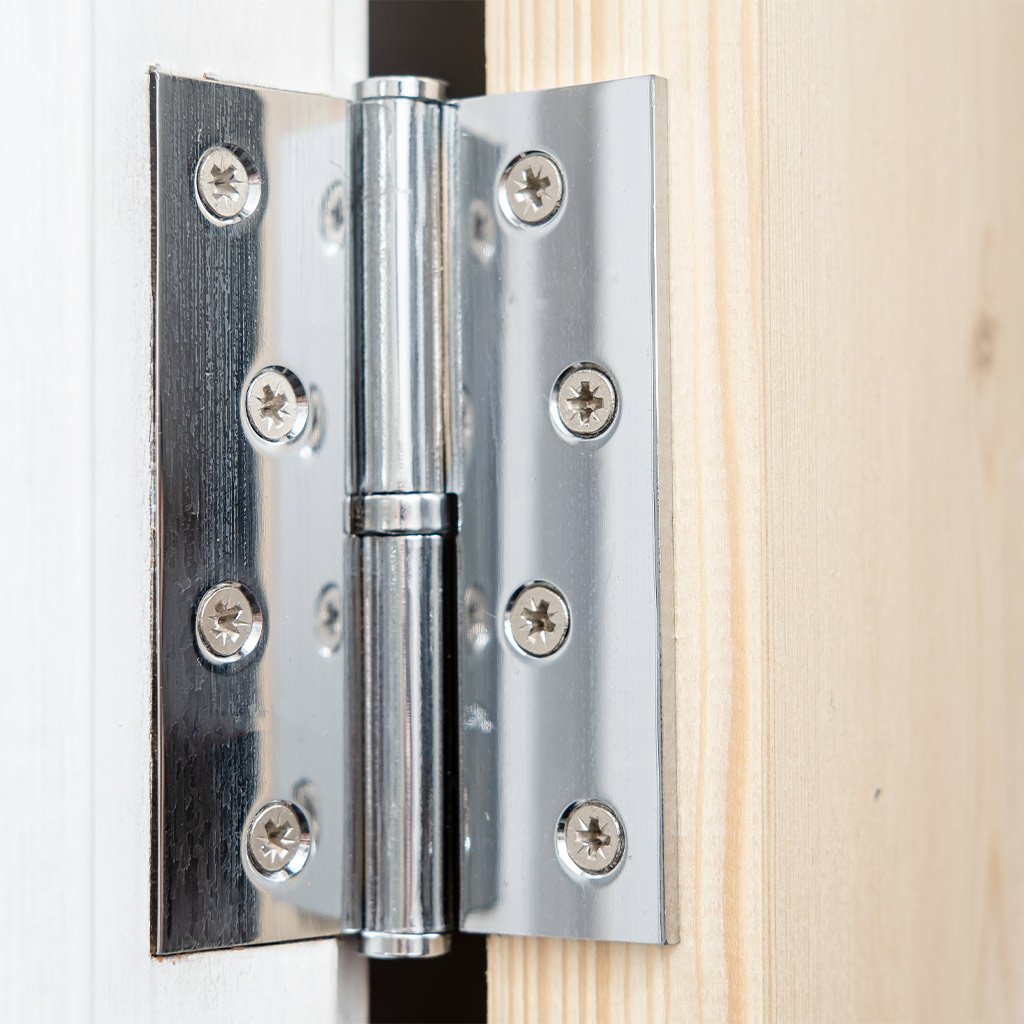
Butt hinges are the most common type of hinge used on exterior doors. They consist of two plates (called leaves) that are joined by a central pin. One plate is attached to the door, and the other to the door frame.
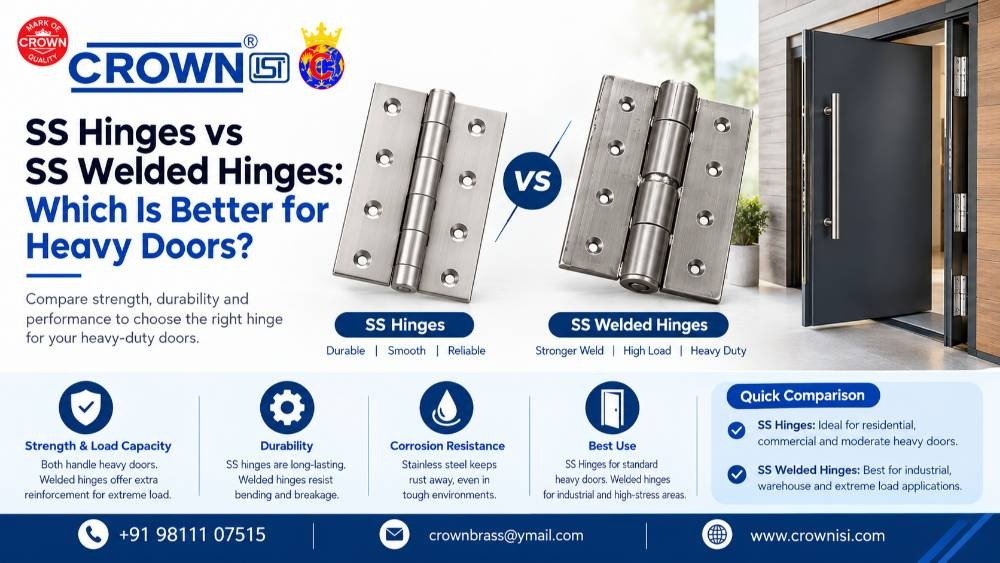
These hinges are known for their strength and durability, making them ideal for heavy wooden or metal doors. They can be ball-bearing hinges for smoother movement and longer life, especially in exterior environments.
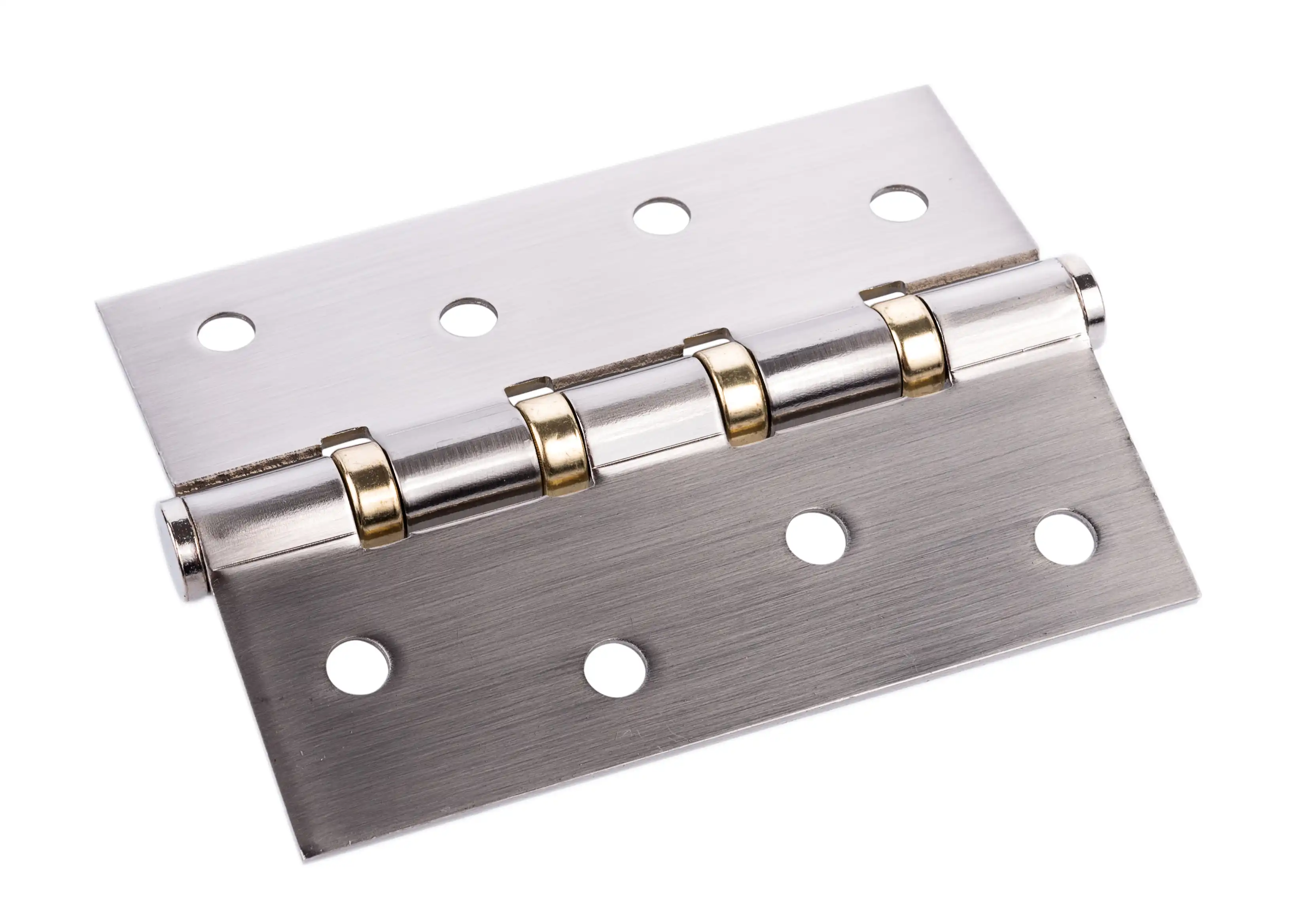
2. Ball Bearing Hinges
Ball bearing hinges are an upgraded version of standard butt hinges. Inside the knuckle of each hinge are small ball bearings that reduce friction as the door moves.
They are perfect for heavy exterior doors that see frequent use because they offer smoother operation and last much longer than plain hinges. They also resist rust and wear, which makes them a reliable choice for front or patio doors.
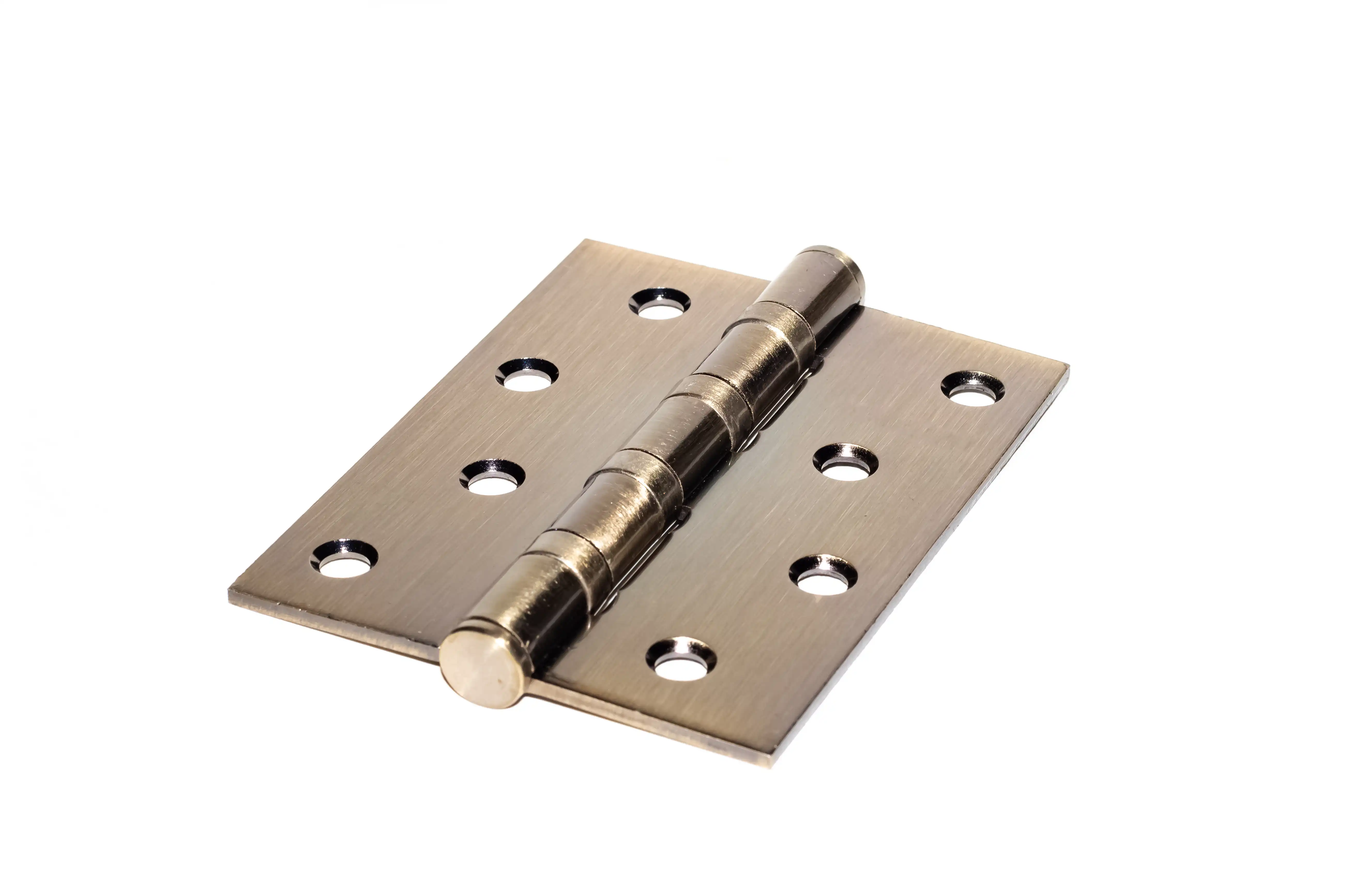
3. Continuous (Piano) Hinges
Continuous hinges, also known as piano hinges, run the full length of the door. They distribute the door’s weight evenly, which reduces strain on the frame and hinge points.
These are often used in commercial doors or large residential entryways where strength and stability are key. They are also a good choice for doors that are frequently opened and closed.
4. Flush Hinges
Flush hinges are designed to be compact and save space. They don’t require deep mortises in the door or frame, making them easier to install.
Although not as heavy-duty as butt hinges, they are useful for lightweight exterior doors or decorative applications where the aesthetic is important.
5. Spring Hinges
Spring hinges are self-closing hinges that automatically pull the door shut after it’s opened. These are often used in garage entry doors or side doors for added security and energy efficiency.
They’re available in adjustable tension models, allowing you to control how quickly or forcefully the door closes.
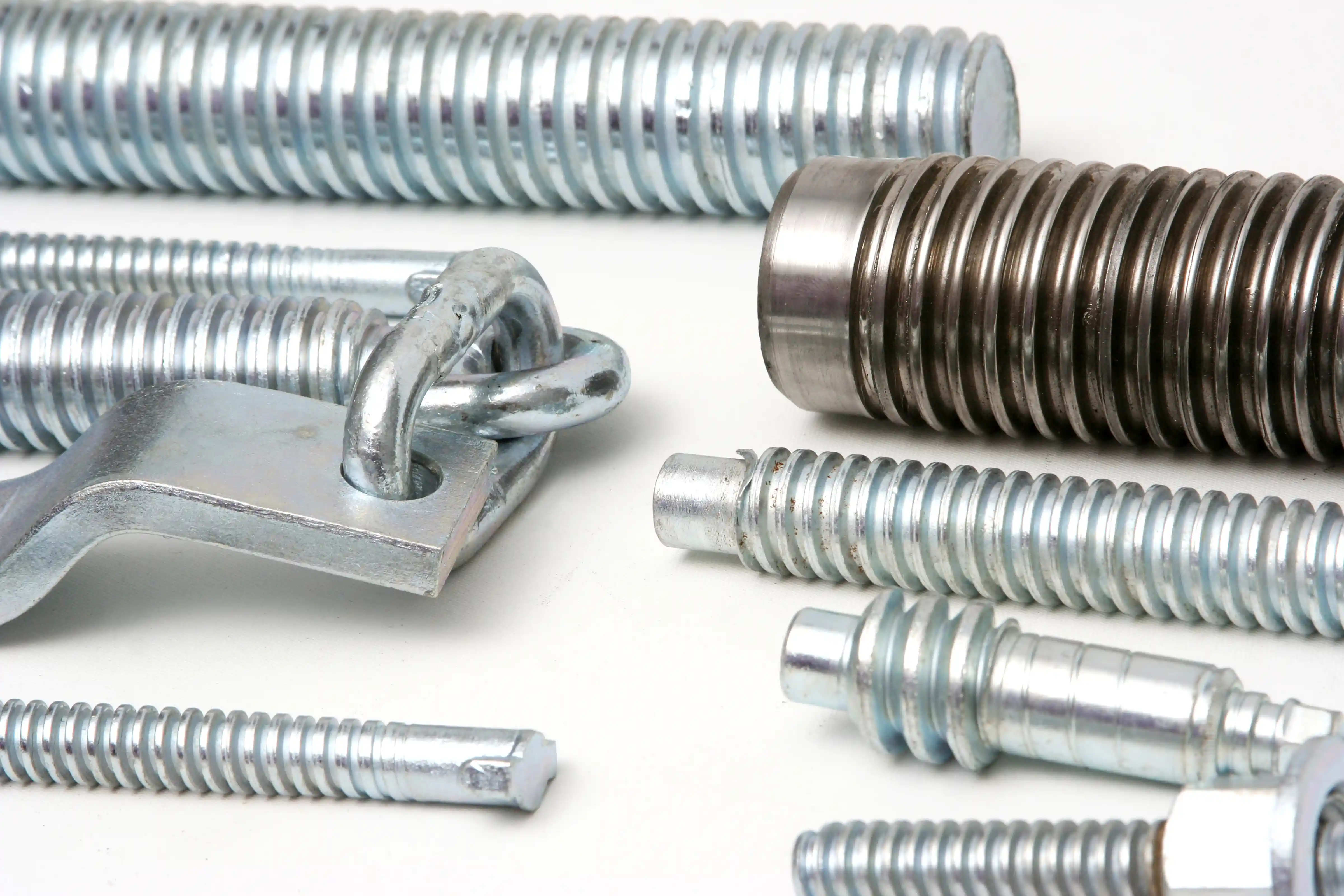
6. Pivot Hinges
Pivot hinges attach at the top and bottom of the door rather than the sides. They’re ideal for modern or heavy custom doors because they allow smooth rotation and can support significant weight.
These hinges create a clean, minimal look since they’re less visible than traditional ones.
7. Strap Hinges
Strap hinges are known for their decorative appeal and strength. They feature long, flat arms (straps) that extend across the door’s surface.
Often used on barn doors, garden gates, or rustic front doors, they provide both charm and stability. Many modern strap hinges come in stainless steel or powder-coated finishes to resist corrosion.
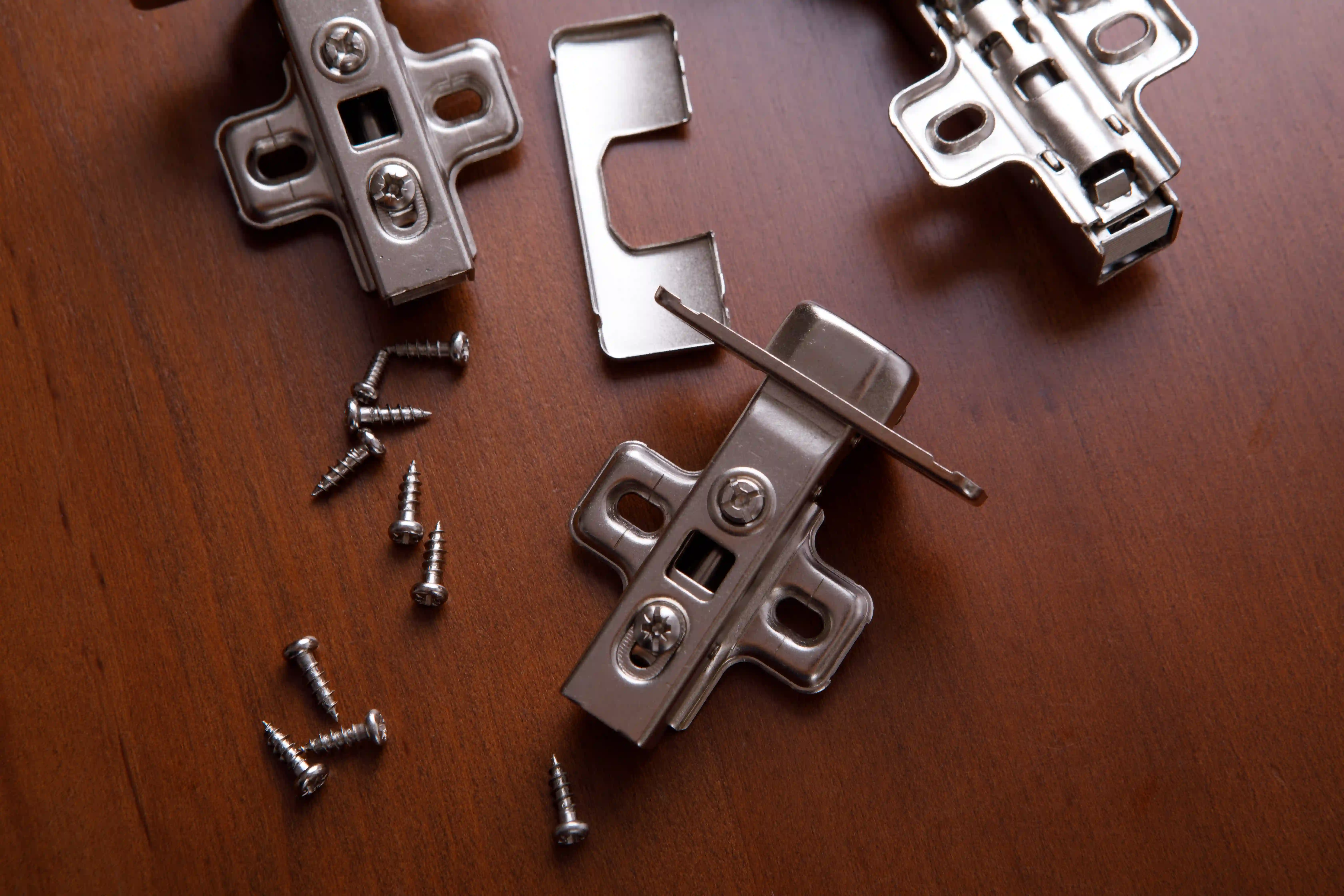
How to Choose the Right Exterior Door Hinge
Choosing the right exterior door hinge depends on several important factors:
- Door Weight and Size: Heavy doors require stronger hinges, such as ball bearing or pivot hinges. Lightweight doors can use flush or butt hinges.
- Door Material: Wooden, metal, or fiberglass doors each need compatible hinge materials. Stainless steel or brass hinges are recommended for exterior use because they resist rust.
- Weather Conditions: If your area experiences high humidity, rain, or snow, opt for rust-resistant hinges with protective coatings or made from 304/316 stainless steel.
- Aesthetic Preference: Hinges come in various finishes—brushed nickel, matte black, brass, or chrome. Choose one that complements your door and exterior design.
- Security Needs: For added safety, select hinges with non-removable pins to prevent tampering, especially for outward-opening exterior doors.
By considering these points, you can choose a hinge that not only enhances your door’s performance but also complements your home’s style.
People Also Like:- Top 10 Door Hinges Brands in India 2025
Maintenance Tips for Exterior Door Hinges
Proper maintenance ensures your hinges last longer and operate smoothly. Here’s how to care for them:
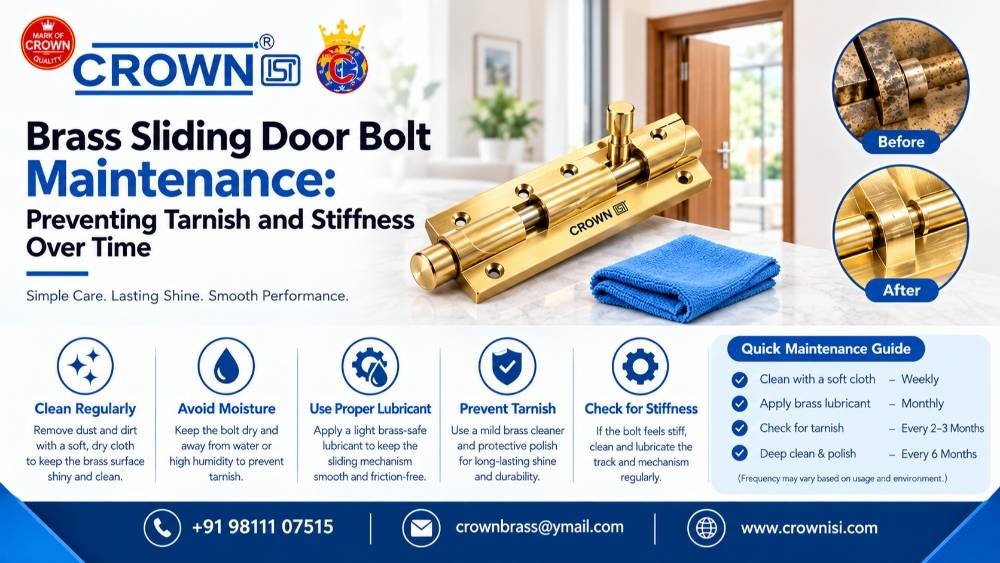
- Regular Cleaning: Wipe the hinges with a soft cloth and mild detergent to remove dust and grime. Avoid harsh chemicals that could damage the finish.
- Lubrication: Apply a few drops of machine oil or silicone spray to the hinge pins every few months to reduce friction and noise.
- Check for Rust: If you notice rust spots, gently scrub them with a soft brush or fine sandpaper, then apply anti-rust spray or protective oil.
- Tighten Loose Screws: Periodically check for loose screws and tighten them to prevent door misalignment or sagging.
- Inspect Annually: At least once a year, inspect all hinges for wear or damage and replace any that show signs of corrosion or bending.
Regular care not only keeps your doors operating smoothly but also maintains their strength and appearance over time.
Why Choose Crownisi?
At Crownisi, we believe that great hardware transforms the way you experience your home. Our collection of premium stainless steel door hinges is designed to deliver durability, strength, and style in every product.
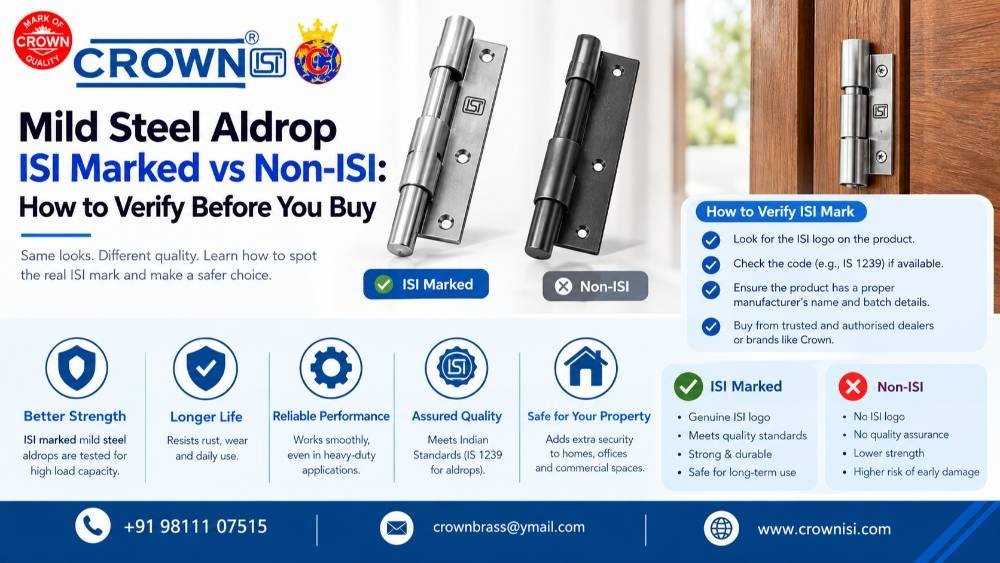
With precision engineering, high-quality materials, and a variety of finishes, Crownisi ensures your doors are both secure and elegant. Whether you need ISI-certified, 304-grade, or decorative strap hinges, Crownisi offers the perfect blend of performance and design.
FAQs about Exterior Door Hinges
1. What type of hinge is best for exterior doors?
Ball bearing or stainless steel butt hinges are ideal because they are strong, durable, and resistant to corrosion.
2. How many hinges should an exterior door have?
Standard exterior doors usually need three hinges—one near the top, one near the bottom, and one in the center—for even weight distribution.
3. Can I use interior hinges on exterior doors?
It’s not recommended. Exterior doors require weather-resistant hinges made from stainless steel or brass to prevent rust and wear.
4. How do I stop my door hinges from squeaking?
Apply lubricating oil or silicone spray to the hinge pins. Avoid water-based products as they can cause rusting.
5. How long do exterior door hinges last?
With proper maintenance, high-quality stainless steel hinges can last for 10–15 years or more.
Final Thoughts
Exterior door hinges might seem like a small detail, but they are essential to your home’s security, durability, and design. By choosing the right type, maintaining them regularly, and investing in quality materials, you ensure your doors remain strong and smooth for years.
Crownisi is here to provide reliable, long-lasting solutions for all your door hardware needs—where quality meets craftsmanship.