 27 Oct, 2025
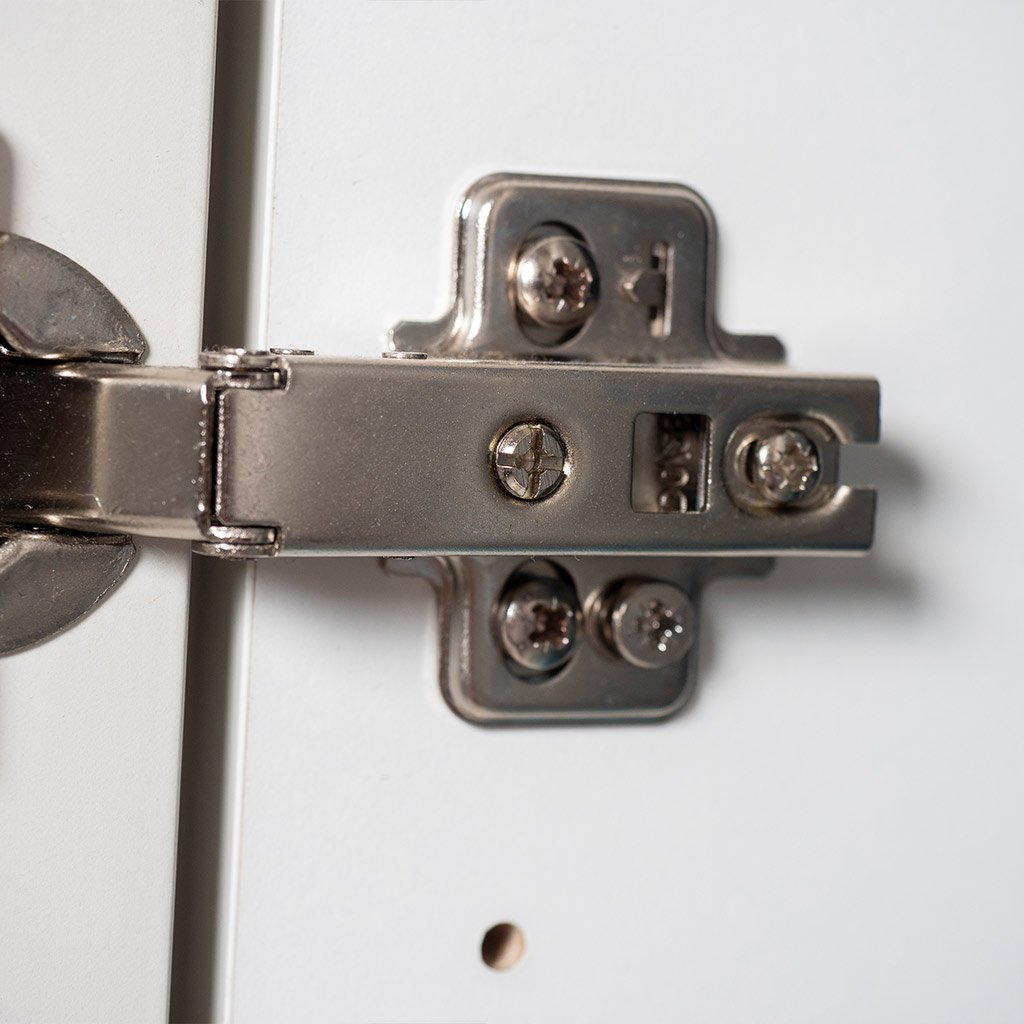
 Modern homes love soft-close hinges—they let cabinet doors and drawers shut quietly and gently, without that loud slam. But even the best hardware can run into problems. If your doors aren’t closing as smoothly as they used to, you’re not alone. In this article you’ll learn exactly what can go wrong with soft-close hinges—and how to fix each issue fast.
Here are 5 Common Problems of Soft Close Hinges:
1. Hinge Gap Misalignment
When the gap between your cabinet door and frame isn’t even (too wide on one side, too narrow on the other), the soft-close mechanism may not engage properly—resulting in slamming or incomplete closure.
How to fix it:
- Fully open the door so you can access the hinges.
- Slightly loosen the hinge screws on both the door and the frame—don’t remove them, just allow movement.
- Adjust the door position: move it up/down or side to side so the gap is consistent.
- Gently tighten the screws without over-tightening (which can strip holes or misalign the hinge).
- Test the door: close it gently and see if the soft-close works.
- If still uneven, repeat the adjustment until smooth.
- Check all other hinges on the door/cabinet to ensure uniform alignment.
2. Damaged Soft-Close Mechanism
If the actual damping mechanism inside the hinge or separate damper has worn out, cracked, or broken, the hinge may fail to slow the door and you’ll end up with a slam again.
How to fix it:
- Remove the cabinet door (unscrew hinge from frame and door).
- Inspect the soft-close mechanism for visible damage: cracks, misalignment, missing parts.
- If damaged, contact the hinge manufacturer or visit your local hardware store to get a compatible replacement.
- Install the new mechanism following manufacturer instructions (usually screw or clip mount).
- Re-attach the cabinet door, align the hinges and frame.
- Test the soft-close function by gently closing the door.
- If it still fails, double-check the replacement install and consider upgrading to a better quality hinge.

3. Sticky or Dirty Hinges
Over time dust, grime, or lack of lubrication can cause the hinge parts to stick or move unevenly, which interferes with the soft-close action.
How to fix it:
- Open the cabinet door fully and inspect the hinge area.
- Look for dirt, dust or visible build-up in the hinge pivot and mechanism.
- Clean the hinge using a soft cloth or cotton swab, removing all debris.
- Apply a silicone‐based lubricant or light machine oil to the hinge pivot and moving parts (avoid heavy greases that attract dirt).
- Open and close the door multiple times to spread the lubricant evenly.
- Close the door gently and test the soft-close action.
- For future prevention, schedule regular cleaning and lubrication (e.g., every 6-12 months) so the hinge runs smoothly longer.

4. Incorrect Mounting of Soft-Close Dampers
If the dampers (or built-in damping part of the hinge) are mounted in the wrong place or at a wrong angle, the soft-close function might not work correctly and the door may slam or close too fast.
How to fix it:
- Identify exactly where the soft-close dampers should be mounted on the cabinet frame and the door (refer to manufacturer’s guide).
- Attach the damper side to the cabinet frame first, using the correct screws and positions.
- Then attach the corresponding part to the cabinet door, ensuring alignment with the frame part.
- Double-check that both dampers are parallel and aligned so they work together smoothly.
- If the mechanism allows tension adjustment (some do), fine-tune the tension to suit the door weight and movement.
- Test closing the door gently; you should experience a smooth, slow close.
- If not, re‐evaluate alignment and tension and adjust accordingly.
5. Loose Hinge Screws
Hinge screws that become loose over time allow the door to shift position, which affects the gap, alignment and soft-close performance.
How to fix it:
- Open the cabinet door fully and inspect all hinge screws (door side and frame side).
- Using an appropriate screwdriver, tighten any loose screws. Avoid over-tightening, which can strip holes.
- If a screw hole is stripped or oversized, fill with a wooden matchstick or wood-filler, then re-insert the screw for a firmer hold
- Once screws are secure, test door movement: open and close gently and check for alignment and soft-close action.
- For maintenance, inspect and tighten screws every few months (especially in high-use cabinets) to keep hinges in top condition.
People Also Like:- Top 10 Door Lock Brands in India 2025
Why Choose Crownisi Soft Close Hinges
When it comes to performance and durability, Crownisi stands for precision and reliability. Here’s what makes our hinges the preferred choice for homeowners, carpenters, and interior designers:
- Smooth Silent Motion: Every hinge is engineered for consistent soft-close performance.
- Heavy-Duty Build: Made with premium stainless steel for long-term strength.
- Easy Installation: Designed to fit standard cabinet systems with simple screw mounts.
- Rust-Resistant Finish: Perfect for kitchens, bathrooms, and humid areas.
- Tested for Longevity: Each hinge undergoes multiple quality checks for lasting performance.
FAQs about Soft Close Hinges
1. Why are my soft closes hinges not working?
Common reasons include misalignment, loose screws, dirt build up, or a worn-out damper. A quick inspection and minor adjustments usually fix the issue.
2. Can I repair a damaged soft close hinge myself?
Yes, most minor problems can be fixed at home using a screwdriver and basic tools. If the internal damper is broken, you may need to replace the hinge or mechanism.
3. How do I adjust soft close hinges?
Loosen the screws slightly, adjust the door for even gaps, and then retighten. Some hinges also have an adjustable tension screw for soft close speed.
4. How long do soft close hinges last?
With proper care and cleaning, good-quality hinges can last 5–10 years or more. Regular lubrication extends their life further.
5. Which soft close hinges are best for kitchen cabinets?
Choose Crownisi soft close hinges for reliable performance, smooth motion, and rust-proof durability — ideal for both residential and commercial cabinetry.
Conclusion
Soft-close hinges are a smart addition to any cabinet setup—they offer quiet, smooth operation and help prolong the life of your doors and frames. But like all mechanical systems, they benefit from proper setup and regular care. By working through the five common issues above—gap misalignment, damaged mechanism, dirt/stickiness, incorrect damper mounting and loose screws—you’ll keep your cabinets working flawlessly for years. For long-term reliability, use quality hinges, install them carefully, and give them a little maintenance occasionally. That way your cabinet doors shut with the gentle, silent character you expect—from your Crownisi hardware.